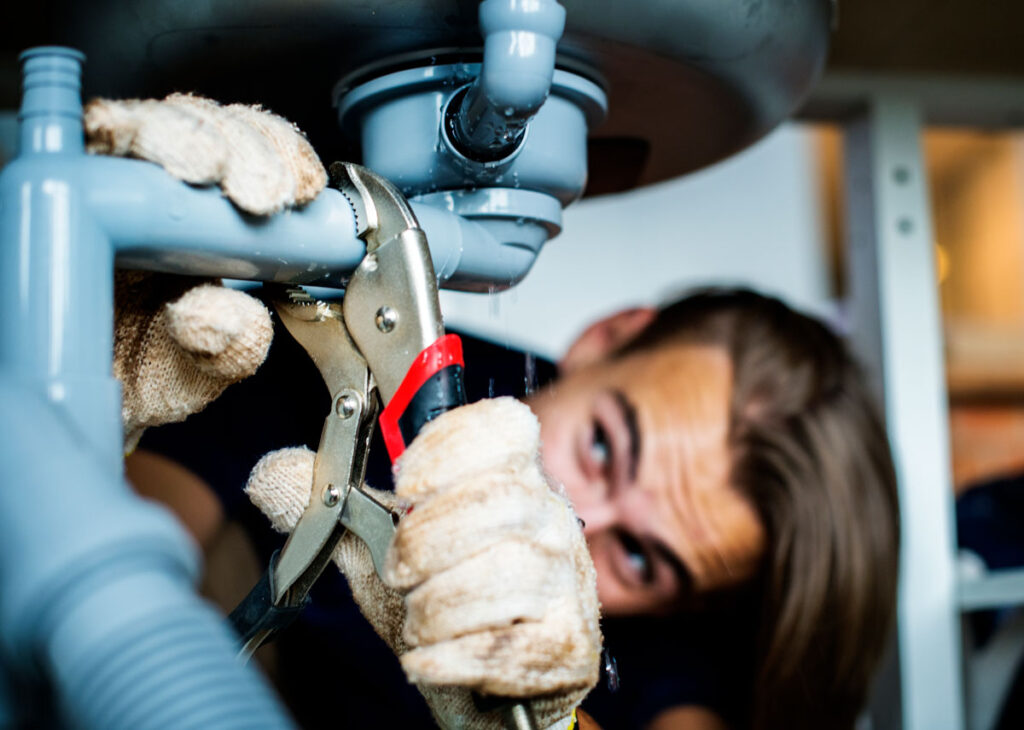
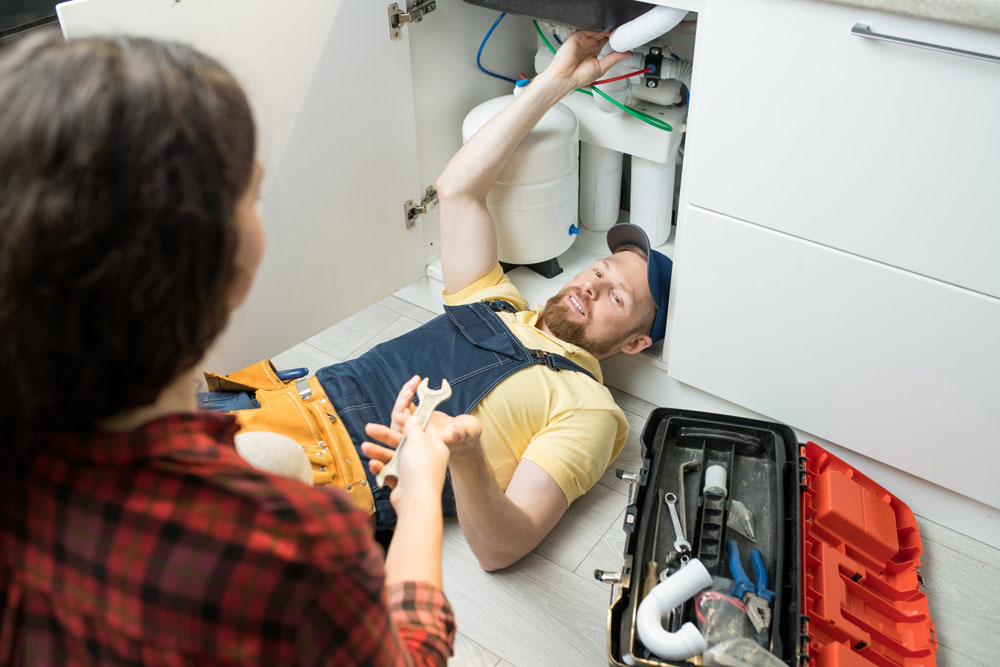
That faint dripping sound behind the wall might be costing you more than you think. A pipe leak left unaddressed for even a few weeks can spiral into structural damage, mold growth, and repair bills that dwarf the cost of a simple fix. Greater Boston homeowners know this reality well, especially in older homes where decades-old plumbing quietly deteriorates behind finished walls. This guide walks you through the telltale signs of a leaking pipe, explains why swift pipe leak repair matters, and helps you understand the significance of a professional plumbing repair service provider like Young Buck Plumbing.
Signs of A Leaking Pipe You Shouldn’t Ignore
- Unusual water bill spikes: A steady bill that jumps without a change in habits usually points to hidden water loss. Compare the last two cycles and look for unexplained increases.
- Meter movement when everything is off: Shut every fixture, then watch the meter for a few minutes. If the dial or digital flow indicator keeps moving, water is escaping somewhere in the system.
- Stains, bubbles, or soft drywall: Brown rings on ceilings, peeling paint, and spongy walls suggest slow saturation. These spots often darken after showers or laundry, making it easier to trace the line.
- Musty odors and visible mold: A persistent earthy smell or small patches of mold on baseboards and inside vanity cabinets signal trapped moisture. Even tiny leaks can feed growth.
- Low pressure or a faint hiss behind walls: A drop in flow at multiple fixtures hints at a supply issue. Hissing or a whisper of airflow in a quiet room can be the sound of a leaking pipe.
- Warm spots on floors: A consistently warm patch may indicate a hot-water line under the slab. Pay attention to areas that stay warm when the rest of the floor feels normal.
- Puddles near the water heater or under sinks: Drips around shutoff valves, traps, and flexible connectors are easy to miss. Check the water heater base and T&P discharge line for intermittent wetting.
- Frost on exposed lines in winter: Icy pipes, rime, or sweating in unheated spaces mean trouble. Freezing increases the risk of bursts, so insulate and address temperature swings promptly.

The Real Cost of Ignoring a Pipe Repair
Water damage causes the most expensive home repairs, but costing money is not the only problem it creates.
- Property damage compounds fast. Cabinets swell, drywall softens, and floors warp, turning a small repair into major demolition and drying.
- Mold follows moisture. Growth can start within 24–48 hours, spread through walls or HVAC, and require removing drywall and insulation.
- Electrical risk is real. Water near outlets or fixtures increases the risk of shock and short circuits, so cut power to wet areas.
- Leaks waste money. A drip every second can top 3,000 gallons a year, pushing utility bills higher for no benefit.
- Structure weakens over time. Long exposure corrodes fasteners, loosens tile, and compromises subfloors and framing.
- Older homes have mixed piping. Copper, cast iron, and PVC meet at vulnerable transitions, common in Brookline, Cambridge, and Somerville, MA.
- Delays hurt claims and resale. Insurers expect prompt mitigation, and inspectors flag untreated damage during a sale.
First Steps After Water Leak Detection
Start by stopping the water. Close the shutoff at the fixture first, then the main if the leak continues. If water is near wiring or outlets, cut power to that area for safety. Catch what you can with towels and buckets, move valuables out of the splash zone, and take a few photos for insurance.
For minor drips on accessible lines, pipe-repair tape or epoxy putty can buy time. Turn off the water to that section, dry the surface completely, and follow the product directions. If the leak is on a visible stub and you know the pipe size, a push-fit or compression cap can slow things down until a plumber for leak repair arrives. Temporary measures have real limits. Epoxy on a corroded copper line might hold for days or months, but corrosion keeps marching, and the pipe can fail again in a worse spot.
Why Professional Pipe Leak Repair Makes Sense
Hidden leaks aren’t just patch-and-go. Once a wall or floor opens, you could be dealing with structure, wiring, and pipe materials from decades of renovations. A licensed plumber offers accurate leak detection, industry-recognized methods, and proper fittings that actually match what you uncover. You also get dry-out, pressure testing, and documentation that protects insurance and resale. Here are some scenarios when you’ll need a professional’s help:
- Hidden leaks behind walls or under floors. Getting access to these pipes requires demolition. Proper repair requires understanding what you’re looking at once the wall opens.
- Main water line issues. These repairs often involve permits, inspections, and specialized equipment.
- Slab leaks. Water that seeps beneath a concrete foundation poses unique challenges and can undermine the foundation’s structural integrity if not addressed properly.
- Older homes with mixed materials. Connecting modern materials to galvanized steel or lead pipes requires specific techniques and sometimes code-mandated upgrades.
- Any gas line concern. If you suspect a gas leak, evacuate and call professionals immediately. This isn’t a DIY situation to fix a leak under any circumstances.
When the source is hidden, stop guessing and call a plumbing leak detection service for targeted water pipe leaking detection, so you only open the wall where needed. For 24/7 emergency leak detection and permanent pipe leak repair in the Greater Boston area, contact Young Buck Plumbing.
Conclusion
Do not let a small drip become a large claim. Read the signs, take safe first steps, then bring in a pro who will diagnose, open only where needed, and repair. With disciplined prevention and quick scheduling, you protect finishes, avoid mold, and get your routine back without drama. If you are in the Greater Boston Area and want the job done right, schedule an inspection and repair with Young Buck Plumbing & Heating today. Prioritizing pipe leak repair early saves money, time, and stress.